


The Acne Behind the Mask: Maskne
- Jessica Lewis
- Feb 1, 2021
- 4 min read
Updated: Feb 10, 2021
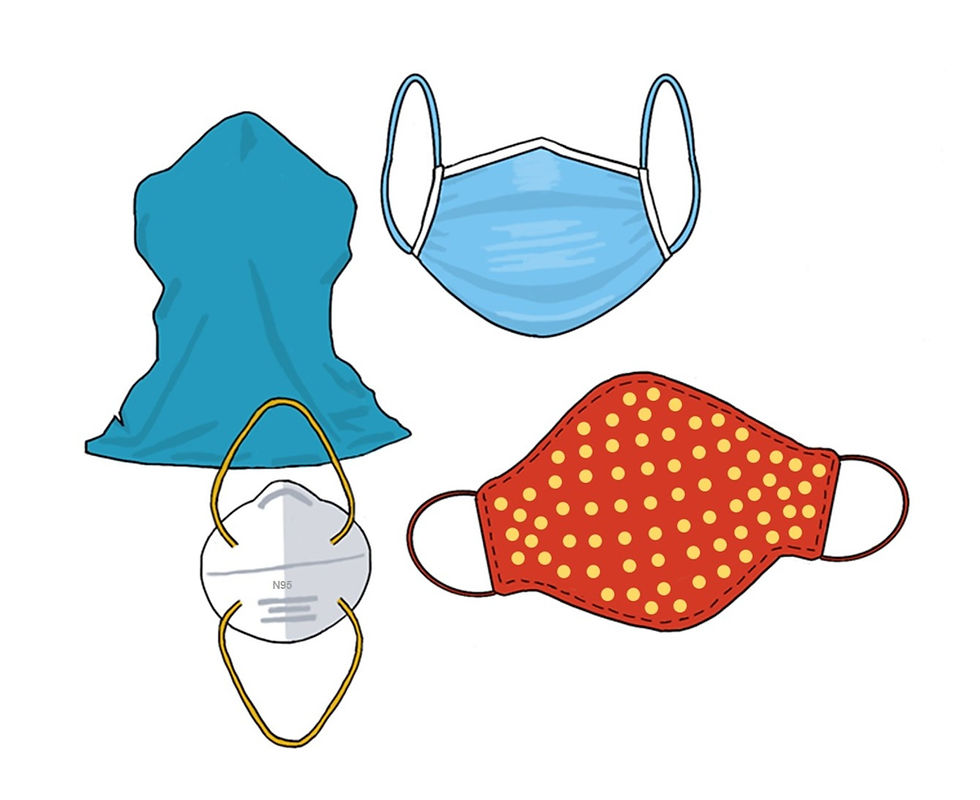
The widespread use of masks to prevent the transmission of SARS-CoV-2 triggered the advent of “mask acne.” Maskne is a portmanteau combining both words: mask and acne. Recently, the hashtag #maskne is trending on Instagram with over 22,000 posts as the menace to maintaining clear skin.1 The persistent troublemaker induces an increase of appointments to dermatologists during an era of the COVID-19 pandemic.
Etiology:
Maskne can appear “de novo” in previously acne-free individuals. Maskne is a form of acne mechanica that occurs when the skin is exposed to friction and pressure.2 It appears when the mask rubs on the skin, concentrating around the chin and cheeks. This skin malformation occurs due to changes in local temperature and skin microflora dysbiosis (microbial imbalance).2 The imbalance in the skin microflora is caused by environmental factors: humidity, pH, and climate. Additionally, wearing a mask can alter the sebum (oil) excretion rate and prolong local pressure leading to the poral occlusion observed in maskne.2 The acne flares occur as a result of the high humidity inducing inflammation of the epidermal keratinocytes.3
Risk Factors:
Previous history of acne vulgaris (a skin condition when hair follicles are obstructed by the buildup of oil, dead skin cells, and bacteria originated on the skin)2
Wearing reusable masks without washing them regularly
Skin exposed to mechanical stress4
Living in tropical climates5
Clinical presentation:
Cutaneous lesions located at the chin, nasal bridge, and cheeks
Inflammation on masked area
Burning and pruritis6
Diagnosis5:
The onset of acne within six weeks of wearing a face mask and the exacerbation of prior acne over the mask area
Exclusion of differential diagnoses:
Seborrheic dermatitis (a skin condition that affects oily areas of the body such as the face, causing redness and itchy rashes)
Acne rosacea (a condition that appears on the central region of the face, causing redness and small pus-filled bumps)
Treatment7:
Topical retinoid or benzoyl peroxide cream
Over-the-counter benzoyl peroxide: 2.5 or 5% concentration
Hyperpigmentation from the acne: topical with glycolic acid (can treat both the blemishes and the hyperpigmentation)
Prevention8:
Maskne can be prevented when following this stepwise method:
1. Consider the material of the mask:
100% cotton
Synthetic fabrics such as nylon, polyester, and rayon are more likely to irritate the skin (avoid these materials when sewing or purchasing a mask)
2. Cleanse and moisturize your face daily:
Beta hydroxy acids (such as salicylic acid) cleansers and exfoliators decrease oil concentration of the skin6
Gentle foaming cleanser with antibacterial properties (popular brands are CeraVe and Eucerin)
Fragrance-free and hydrating moisturizer (cream or serum-based product) containing niacinamide to support the skin barrier and protect the skin from dryness caused by mask friction6
Key ingredients in moisturizers to increase hydration of the skin: Ceramides, Hyaluronic acid, and Dimethicone (can create a barrier to prevent irritation)
Oily or acne-prone skin: Gel moisturizers
Normal or combination skin types: Lotion moisturizers
Dry to dehydrated skin: Cream moisturizers
3. Use less makeup and sunscreen under face mask:
Non-comedogenic makeup only when necessary (can replace with a tinted moisturizer containing sunscreen)
Ultraviolet protection factor (UPF) 50 fabric masks should replace the wearing of sunscreen. Chemical sunscreen increase poral occlusion. A UPF 50 fabric mask prevents the constant reapplication of sunscreen.5
UPF measures the amount of UV radiation (UVB and UVA) that can penetrate fabric and reach your skin. A UPF 50 fabric blocks 98% of the ultraviolet light from the sun.9
4. Protect your lips:
Petroleum jelly (chapped lips are common face mask skin problems)
5. Avoid skin care products that contain irritants:
Retinoid can irritate the skin, so apply only at bedtime to avoid wearing it under the mask
6. Increase the comfort level of the mask:
Two layers of gauze inserted in the mask can reduce the amount of sweat5
Masks with two layers of fabric that are comfortable and offer a snug
7. Wash the cloth masks after each use:
Fragrance-free, hypoallergenic laundry detergent is recommended when washing a cloth mask (washing removes oils and skin cells trapped inside the mask)
Washing machine or by hand with hot water to wash the cloth mask
Wearing a mask no longer serves as a benefactor to hide acne but as a menace in disguise that adds to the health burdens of the COVID-19 pandemic.
References:
Gomolin TA, Cline A, Russo M. Maskne: exacerbation or eruption of acne during the COVID-19 pandemic. Ski J Cutan Med. 2020;4(5): 438-439.
Searle T, Ali FR, Al-Niaimi F. Identifying and addressing “Maskne” in clinical practice. Dermatologic Therapy. 2020;e14589.
Sardana K, Sharma RC, Sarkar R. Seasonal variation in acne vulgaris—myth or reality. J Dermatol. 2002;29(8):484-488.
Boer J, Nazary M, Riis PT. The role of mechanical stress in hidradenitis suppurativa. Dermatol Clin. 2016;34(1):37-43.
Teo W-L. Diagnostic and management considerations for 'Maskne' in the era of COVID-19. J Am Acad Dermatol. 2020;1:S0190-9622(20) 32664–5.
Dreno B, Bettoli V, Perez M, Bouloc A, Ochsendorf F. Cutaneous lesions caused by mechanical injury. Eur J Dermatol. 2015;25(2):114-21.
Rubin Courtney. (2020, June 17). Maskne Is the New Acne, and Here’s What Is Causing It. The New York Times. https://www.nytimes.com/article/maskne-acne.html?auth=login-google
American Academy of Dermatology Association. (2021). 9 Ways to Prevent Face Mask Skin Problems. Retrieved January 31, 2021, from https://www.aad.org/public/everyday-care/skin-care-secrets/face/prevent-face-mask-skin-problems.
Richard Elizabeth. (2019, June). Sun Protective Clothing. Skin Cancer Foundation. https://www.skincancer.org/skin-cancer-prevention/sun-protection/sun-protective-clothing/
Cover Image created by Jessica Lewis


Comments